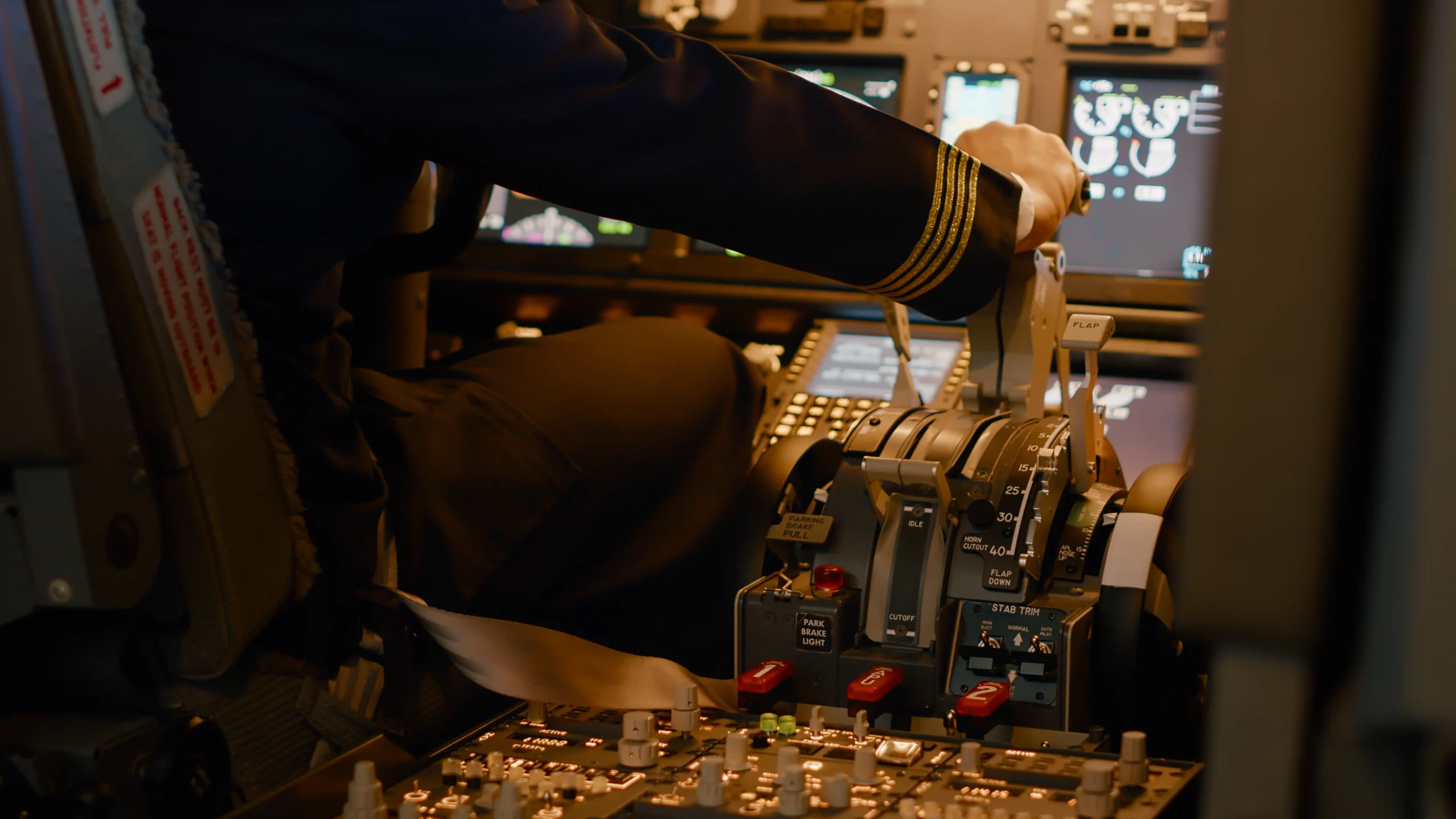

How Do FAA-Approved High-Efficiency USB-C Aircraft Chargers Meet Aerospace Testing Standards for Modern Cockpit Power Solutions?

As aircraft cockpits become increasingly digital, onboard power systems are no longer secondary utilities, they are critical enablers of flight operations. Electronic flight bags (EFBs), tablets, avionics peripherals, and crew communication systems now depend on continuous, stable power throughout every phase of flight.

This shift has elevated the importance of high-efficiency aircraft power supply systems that can safely deliver high wattage without compromising electrical stability, environmental performance, or certification compliance.

At Aerospace Devices, USB charging systems are engineered as flight-critical power nodes, not convenience accessories. Each solution is designed to meet stringent aerospace testing standards while delivering dependable, high-output charging for modern cockpit environments.

This article explains how FAA-approved aerospace chargers achieve that balance, combining engineering discipline, certification rigor, and real-world reliability.

Explore SkyDock Pro USB-C engineering features at: https://aerospacedevice.com/skydock-pro-usb-c-features/ 

Why Modern Cockpits Demand Aerospace-Grade USB Power Architecture

Today’s flight decks operate as fully connected digital workspaces. Pilots rely on multiple power-hungry devices for navigation, flight planning, situational awareness, communication, and real-time data access.

A modern cockpit USB power solution must deliver:

  • Stable voltage regulation
  • High-efficiency power conversion
  • EMI / EMC compatibility
  • Environmental resilience
  • Continuous power delivery under vibration, temperature variation, and altitude changes

Unlike consumer chargers, aircraft power systems must integrate seamlessly into complex electrical architectures while meeting strict regulatory and environmental standards. This is where a FAA approved aerospace charger becomes essential, ensuring electrical safety, system integrity, and certification alignment.

What Makes High-Efficiency Aircraft Power Supply Systems Different?

Aircraft electrical environments present challenges that few industries encounter simultaneously:

  • Wide voltage fluctuations
  • Continuous vibration and mechanical stress
  • Temperature extremes
  • Electromagnetic interference risks
  • Long operational duty cycles

A high-efficiency aircraft power supply must regulate unstable inputs, protect sensitive avionics, and deliver consistent output without excessive heat generation.

To achieve this, aerospace-grade USB charging systems rely on:

  • Wide-input voltage regulation architectures
  • Advanced thermal management
  • EMI-shielded circuitry
  • Multi-layer protection systems
  • Certification-aligned electrical design

This engineering discipline ensures stable device charging without introducing electrical noise, heat stress, or system instability inside the cockpit.

How FAA Certification Shapes Aircraft USB Charger Design

Certification is not an afterthought in aerospace, it defines product architecture from the earliest design stages. A FAA approved aerospace charger must meet strict environmental, electrical, and mechanical performance requirements before installation.

These certification-driven design principles include:

  • Power input stability across aircraft voltage systems
  • Electromagnetic interference suppression
  • Mechanical durability under vibration and shock
  • Thermal control under continuous load
  • Environmental resilience against humidity, pressure, and temperature shifts

Rather than adapting consumer electronics, aerospace USB charging solutions are purpose-built around these standards, ensuring long-term reliability in flight environments.

Learn more about Aerospace Devices’ certification-driven design philosophy

How Aerospace Testing Standards Validate Flight Readiness

Aviation-grade charging systems undergo extensive qualification testing to confirm performance under real-world operating conditions. These evaluations verify that USB charging systems remain safe, stable, and electrically clean throughout their service life.

Typical aerospace testing includes:

  • Vibration and shock endurance testing
  • Thermal cycling across high and low temperature extremes
  • Electrical load validation
  • EMI / EMC compliance testing
  • Environmental exposure simulation

Through these processes, manufacturers confirm that charging systems can operate reliably under flight stress without disrupting avionics or cockpit systems. This is what separates certified aerospace chargers from commercial alternatives.

Why USB-C 100-Watt Aircraft Chargers Are Redefining Cockpit Power

As EFBs, tablets, and connected avionics peripherals become more power-intensive, legacy low-wattage charging ports are no longer sufficient. The emergence of the USB-C 100-watt aircraft charger has transformed cockpit power architecture by enabling:

  • Faster device charging
  • Simultaneous multi-device power support
  • Stable high-output delivery
  • Reduced cable clutter
  • Simplified power distribution

Aerospace Devices’ SkyDock Pro USB-C architecture delivers certified, aviation-grade high-wattage power while maintaining full compliance with aerospace electrical and environmental requirements.

Engineering Principles Behind High-Efficiency Aircraft USB Power

Delivering 100 watts safely inside an aircraft requires more than higher output capacity. It demands disciplined aerospace engineering.

Key design principles include:

Wide-Range Voltage Acceptance – Aircraft electrical systems vary widely across platforms. Advanced voltage regulation ensures consistent output across fluctuating input ranges without introducing instability or excess heat.

EMI-Shielded Electrical Architecture – Sensitive avionics require strict electromagnetic compatibility. Shielded circuit designs prevent emission and susceptibility issues, protecting cockpit instrumentation.

Thermal Control Engineering – High-output charging generates heat. Aerospace-grade thermal management systems dissipate heat efficiently, preserving component longevity and system stability.

Mechanical Durability – Reinforced housings and vibration-resistant mounting protect electronics under turbulence, rotor vibration, and repeated mechanical stress.

These principles enable high-efficiency aircraft power supply systems to maintain consistent performance throughout demanding flight operations.

How Certified USB Power Systems Support Flight Operations

A dependable cockpit charging system directly impacts:

  • Pilot situational awareness
  • Flight planning continuity
  • Crew communication reliability
  • Mission system uptime

By deploying certified aerospace charging solutions, operators reduce:

  • Device downtime
  • Cockpit clutter
  • Maintenance disruptions
  • Electrical instability risks

This improves operational efficiency while enhancing flight safety, a direct benefit of using a FAA approved aerospace charger rather than consumer-grade alternatives.

Why Aerospace Devices Designs Charging Systems as Flight-Critical Infrastructure

At Aerospace Devices, USB charging systems are treated as integral aircraft power components. Each design integrates:

  • Certification-aligned electrical architecture
  • EMI-protected circuitry
  • Environmental resilience engineering
  • Long-life component selection
  • Rigorous manufacturing controls

This approach ensures that even high-output solutions such as the USB-C 100-watt aircraft charger operate reliably across extended service lifecycles.

Final Takeaway: Power Reliability Is a Safety System, Not a Feature

As aircraft cockpits continue evolving into fully connected digital ecosystems, power delivery reliability becomes foundational to safe flight operations.

High-output charging systems must deliver more than wattage, they must deliver:

  • Electrical stability
  • Environmental durability
  • Certification compliance
  • Long-term operational reliability

Through disciplined engineering, aerospace testing rigor, and certification-first product development, Aerospace Devices ensures its charging systems function as dependable cockpit power infrastructure, supporting pilots, protecting avionics, and enabling safe, connected flight operations.Explore certified SkyDock Pro USB-C charging solutions – https://aerospacedevice.com/skydock-pro-usb-c-features/

FAQ,s 

What makes a FAA approved aerospace charger different from commercial USB chargers?
FAA approved aerospace chargers are engineered to meet strict aviation standards for electrical stability, EMI protection, environmental resilience, and mechanical durability, ensuring safe operation within aircraft systems.

Why is high-efficiency aircraft power supply design important for cockpit charging?
High-efficiency design minimizes heat generation, improves electrical stability, and supports continuous high-wattage charging without compromising avionics safety or system reliability.

How does a USB-C 100-watt aircraft charger improve cockpit operations?
A USB-C 100-watt aircraft charger enables faster charging of modern EFBs, tablets, and avionics peripherals, reducing downtime and improving cockpit workflow efficiency.

Where can I find certified aerospace USB charging solutions?
You can explore Aerospace Devices’ certified aviation-grade USB charging systems at https://aerospacedevice.com/skydock-pro-usb-c-features/ 

Innovations in Aerospace Equipments Manufacturing for Power & Charging Systems

In modern aviation, reliable power delivery is no longer a secondary feature; it is a core operational requirement. From cockpit avionics to cabin electronics and mission-critical onboard systems, aircraft today rely on stable, certified charging solutions that perform consistently under extreme environmental conditions. This growing dependency is driving rapid innovation in aerospace equipment manufacturing, particularly within the domain of power and charging systems.

At Aerospace Devices, engineering precision, compliance, and durability define how aerospace charging solutions are designed, manufactured, and tested. By combining aerospace-grade materials, rigorous quality controls, and application-driven engineering, Aerospace Devices continues to support evolving power demands across commercial, defense, business, and special-mission aircraft platforms.

The Growing Need for Advanced Aerospace Charging Solutions

Aircraft environments impose unique electrical and physical challenges. Systems must operate flawlessly despite vibration, altitude fluctuations, pressure changes, moisture exposure, and temperature extremes. Traditional consumer-grade charging hardware simply cannot meet these requirements.

This is where aerospace charging solutions play a vital role. They are engineered to deliver dependable performance under aviation-specific operating conditions while meeting stringent regulatory and safety standards. As aircraft become more digitally integrated, the demand for high-efficiency, ruggedized, and adaptable charging solutions continues to grow across both cockpit and cabin applications.

Modern aerospace power systems must offer:

  • Wide voltage compatibility
  • Robust environmental protection
  • Long operational life cycles
  • Certified safety and performance standards

These factors directly influence product development strategies in aerospace equipment manufacturing.

Precision-Driven Aerospace Equipment Manufacturing

High-performance power systems begin with disciplined engineering and manufacturing processes. Aerospace Devices follows a precision-focused production model that emphasizes durability, regulatory compliance, and performance stability.

Every product is designed through structured development stages that prioritize:

  • Electrical efficiency
  • Mechanical robustness
  • Environmental protection
  • Seamless aircraft system integration

By aligning design decisions with real-world aviation conditions, Aerospace Devices ensures that each solution performs reliably throughout the aircraft’s operational lifecycle.

This commitment to engineering excellence reinforces Aerospace Devices’ position as a trusted provider in aerospace equipment manufacturing, delivering dependable power solutions that meet modern aircraft requirements without unnecessary complexity or overengineering.

Engineering Reliable USB Charging for Demanding Environments

One of the key innovations shaping today’s onboard power infrastructure is the development of durable USB charging systems. These solutions must safely deliver high-speed power while maintaining consistent performance under continuous operation.

Aerospace Devices’ charging designs focus on:

  • Voltage stability
  • Thermal efficiency
  • Electromagnetic compatibility
  • Environmental sealing

For installations exposed to moisture, humidity, and temperature variation, solutions such as waterproof marine-grade USB charging port designs provide dependable protection and operational stability. These systems are engineered to resist corrosion and water ingress, making them suitable for both aviation and marine-adjacent environments where reliability is critical.

Such ruggedized designs support long-term aircraft performance while minimizing maintenance and replacement requirements.

Advanced Voltage Handling for Flexible Aircraft Integration

Aircraft electrical systems often operate across variable voltage ranges, requiring charging hardware that can adapt seamlessly without performance degradation. This has driven the adoption of wide-input charging technologies such as 12VDC TO 32VDC input USB-C charger solutions.

These advanced charging systems allow flexible integration across varied aircraft platforms while maintaining safe and efficient power delivery. By supporting broad voltage compatibility, they simplify aircraft electrical architecture, reduce system complexity, and ensure consistent charging performance across operational profiles.

For aerospace operators and engineers, this translates into:

  • Easier installation
  • Reduced system downtime
  • Improved long-term reliability

Design Philosophy Rooted in Aviation Compliance & Safety

In aerospace environments, compliance and safety are non-negotiable. Aerospace Devices follows a product development philosophy centered around aviation standards, electrical integrity, and structural durability.

Each charging solution is engineered to meet the operational expectations of:

  • Commercial aviation
  • Defense and government aircraft
  • Business jets
  • Special mission platforms

This disciplined approach ensures that every product aligns with aircraft certification requirements, installation constraints, and long-term reliability goals, without introducing unnecessary technical complexity.

Scalable Manufacturing for Evolving Aircraft Power Demands

As aircraft systems become more advanced, power and charging requirements continue to evolve. Aerospace Devices supports this shift through scalable production capabilities that allow rapid adaptation to new aircraft designs, electrical architectures, and system upgrades.

This flexibility in aerospace equipment manufacturing ensures that charging solutions remain compatible with:

  • New-generation avionics
  • Smart cabin electronics
  • Digital cockpit systems
  • Future power distribution models

By maintaining tight quality control throughout production, Aerospace Devices consistently delivers charging systems that meet strict aviation performance benchmarks.

Building Future-Ready Aerospace Charging Infrastructure

The future of aerospace power systems will continue to prioritize efficiency, integration, and operational resilience. Aerospace Devices remains committed to advancing charging technologies that enhance aircraft electrical performance without compromising safety or compliance.

Through continuous innovation in materials, electronics design, and manufacturing processes, Aerospace Devices develops dependable aerospace charging solutions that support both current and emerging aviation requirements.

Explore Aerospace Devices’ full range of aerospace-grade power and charging systems at
Aerospace Equipment Manufacturing & Charging Solutions

FAQs –

What makes aerospace charging solutions different from consumer charging systems?
Aerospace charging solutions are engineered for extreme environments, wide voltage ranges, and strict safety compliance. We design systems that maintain consistent performance under vibration, pressure, and temperature fluctuations.

Where are Waterproof Marine-grade USB charging ports typically used?
Waterproof Marine-grade USB charging ports are commonly used in aircraft cabins, cockpits, and environments exposed to moisture, where corrosion resistance and electrical safety are essential.

Why is wide voltage compatibility important in aircraft charging systems?
Aircraft operate across varying electrical loads, making 12VDC TO 32VDC input USB-C charger solutions essential for stable power delivery and system flexibility.

How does aerospace equipment manufacturing impact charging system reliability?
Precision-driven aerospace equipment manufacturing ensures strict quality control, safety compliance, and durability — all critical for long-term aircraft system performance.
Learn more about Aerospace Devices’ manufacturing approach at https://aerospacedevice.com/

How Do Sustainable 100W USB-C Charging Systems Enhance Aircraft Power Systems in Irvine, CA?

Modern aircraft demand more than just power, they require precision-engineered energy systems that balance performance, safety, sustainability, and long-term reliability. As avionics become more digital, cockpit workloads increase, and portable electronic devices become flight-critical tools, aircraft power systems in Irvine, CA are undergoing a fundamental transformation.

At Aerospace Device, sustainability is not treated as a marketing claim. It is engineered directly into power architecture, component selection, thermal management, and electromagnetic compliance. Our approach centers on designing eco-friendly aerospace charging systems that enhance operational reliability while reducing electrical losses, thermal stress, and maintenance burden across the aircraft lifecycle.

This article explores how Sustainable USB C 100Watts charging solutions, powered by aerospace-grade engineering platforms such as SMD-200 SKD-100 SKD-102 SKD-200 USB, are reshaping cockpit power systems, not just to meet modern device demands, but to elevate aircraft electrical resilience as a whole.

Why Aircraft Power Systems Need Sustainable Redesign

Traditional aircraft power architectures were designed for fixed avionics loads. Today’s cockpit introduces:

  • High-density PED usage
  • Data-driven flight operations
  • Increased crew mobility requirements
  • Expanded cabin connectivity

This has transformed USB charging from a convenience feature into a critical node within the aircraft electrical ecosystem.

In aircraft power systems, Irvine CA, operators face three core challenges:

  1. Load volatility caused by high-wattage USB-C devices
  2. Thermal accumulation from inefficient power conversion
  3. EMI sensitivity impacting flight-critical avionics

Sustainability in aerospace power engineering means eliminating inefficiencies at the source, not offsetting them later through maintenance or replacement cycles.

This is where eco-friendly aerospace charging systems become a structural advantage rather than a regulatory checkbox.

How Aerospace Device Engineers Sustainable Power Architectures

At Aerospace Device, sustainability begins at system architecture, not product packaging. Each charging platform is designed as a power distribution node, fully integrated into the aircraft’s electrical and environmental control systems.

Our design philosophy includes:

  • Ultra-high conversion efficiency
  • Intelligent voltage regulation
  • Advanced EMI shielding
  • Load balancing architecture
  • Long-life thermal stability

This ensures that sustainable USB C 100Watts solutions reduce total electrical stress across the aircraft while extending component life cycles.

Explore how our aerospace-grade platforms elevate cockpit power reliability by visiting our aircraft power solutions page.

Why 100W USB-C Is Becoming the Cockpit Power Standard

The evolution toward sustainable USB C 100Watts is not driven by consumer electronics trends; it is driven by operational cockpit realities.

Modern avionics tablets, EFBs, flight planning systems, and mission-critical PEDs demand:

  • Stable high-wattage power
  • Consistent voltage delivery
  • Zero electrical noise
  • Absolute thermal reliability

Lower wattage systems create voltage sag, thermal overload, and long-term electrical fatigue. In contrast, sustainable USB C 100Watts solutions provide:

  • Faster charging with lower thermal buildup
  • Reduced power draw variability
  • Improved avionics interference protection

This transforms USB-C from a charging port into a strategic cockpit power interface.

How SMD-200 & SKD Platforms Deliver Sustainable Power Engineering

At the core of Aerospace Device’s sustainable power architecture are platforms such as SMD-200 SKD-100 SKD-102 SKD-200 USB. These systems are engineered as integrated energy management nodes, not standalone chargers.

1. Intelligent Power Regulation

Each unit dynamically stabilizes voltage delivery across variable load conditions, protecting upstream aircraft electrical systems.

2. Advanced EMI Suppression

Precision shielding prevents electromagnetic interference that can degrade avionics performance, a cornerstone requirement in flight-critical environments.

3. Thermal Load Optimization

High-efficiency power conversion minimizes heat generation, directly supporting cockpit safety and extending system lifespan.

4. Modular Architecture

Allows seamless integration across new aircraft manufacturing, retrofit programs, and MRO upgrades.

By engineering sustainability into electrical efficiency, thermal stability, and EMI integrity, Aerospace Device ensures eco-conscious performance without compromising flight safety.

Why Sustainability Directly Impacts Aircraft Lifecycle Economics

Sustainability is not only an environmental advantage; it is a financial and operational strategy.

Sustainable power architectures deliver:

  • Lower maintenance cycles
  • Reduced component failure rates
  • Decreased electrical system fatigue
  • Extended service life

For fleet operators in aircraft power systems, Irvine CA, this translates into:

  • Lower long-term operational expenditure
  • Reduced aircraft downtime
  • Improved dispatch reliability

Eco-friendly aerospace charging systems therefore become economic multipliers, not cost centers.

Why Aerospace Device Is Trusted for Flight-Critical Power Engineering

True aerospace authority requires more than compliance. It demands engineering depth, operational understanding, and system-level accountability.

At Aerospace Device:

  • Power systems are engineered for harsh-environment survivability
  • Each platform is tested against thermal, vibration, shock, EMI, and electrical transient extremes
  • Design decisions prioritize long-term reliability over short-term efficiency gains

This ensures every sustainable power solution aligns with real-world cockpit realities, not just laboratory benchmarks.

Explore how Aerospace Device supports next-generation aviation platforms, visit here.

The Future of Sustainable Aircraft Power Systems in Irvine, CA

As aircraft electrification increases, cockpit energy demand will continue to grow. Sustainable charging architectures will evolve from optional enhancements into foundational system requirements.

Key future trends include:

  • Intelligent load-sharing networks
  • Predictive maintenance analytics
  • Digital power management systems
  • Higher wattage adaptive charging nodes

The engineering principles behind SMD-200 SKD-100 SKD-102 SKD-200 USB already align with these next-generation requirements, enabling Aerospace Device customers to future-proof their fleets.

Why Sustainable Power Engineering Is a Strategic Advantage

Sustainability is no longer a marketing narrative. In aerospace, it has become a system reliability strategy.

By deploying eco-friendly aerospace charging systems powered by sustainable USB C 100Watts architectures, operators enhance:

  • Electrical resilience
  • Cockpit safety
  • Operational efficiency
  • Environmental responsibility

This is not about powering devices. It is about stabilizing aircraft energy ecosystems.

That is the engineering philosophy Aerospace Device brings to every aircraft integration.

FAQs

Why are sustainable charging systems critical for modern aircraft?

Sustainable charging systems reduce electrical inefficiency, thermal stress, and EMI risk, improving both cockpit reliability and long-term system durability. In aerospace, sustainability directly supports safety and operational performance.

How do SMD-200 and SKD platforms improve cockpit power reliability?

SMD-200 SKD-100 SKD-102 SKD-200 USB platforms stabilize voltage, suppress electromagnetic interference, and regulate thermal loads creating balanced power architectures that protect avionics and aircraft electrical systems.

Are Sustainable USB C 100Watts systems safe for flight-critical environments?

Yes. When engineered to aerospace standards, Sustainable USB C 100Watts systems enhance electrical stability, reduce voltage sag, and provide controlled energy delivery under extreme operating conditions.

Why choose eco-friendly aerospace charging systems over conventional solutions?

Eco-friendly aerospace charging systems offer higher efficiency, lower heat output, reduced maintenance needs, and extended system lifespans — all essential for modern aviation reliability and cost optimization.

How Do USB Power Solutions for Aircraft Meet Aerospace Testing and Certification Standards While Powering Modern Cockpit USB Charging Systems?

As aircraft become increasingly digital, reliable onboard power is no longer a convenience; it is a flight-critical requirement. From electronic flight bags (EFBs) and tablets to communication tools and navigation systems, today’s cockpits depend on uninterrupted device performance. This growing reliance has pushed USB power solutions for aircraft to evolve beyond basic charging ports into certified aerospace systems engineered for reliability, safety, and regulatory compliance.

At Aerospace Devices Inc., we design aerospace charging solutions that meet the stringent environmental, electrical, and operational demands of modern aviation. Our engineering and certification-driven approach ensures that cockpit charging systems deliver dependable performance across every phase of flight.

Why Aircraft USB Power Systems Require Aerospace-Level Engineering

Unlike consumer electronics, aircraft charging systems operate in extreme and highly regulated environments. Voltage fluctuations, electromagnetic interference, vibration, temperature swings, altitude changes, and humidity exposure all place continuous stress on onboard electronics.

A reliable cockpit USB power solution must deliver:

  • Stable voltage regulation under fluctuating aircraft power inputs
  • Electromagnetic compatibility (EMI/EMC) to prevent avionics interference
  • Mechanical resilience against vibration and shock
  • Thermal protection during extended operation
  • Long-term durability across diverse mission profiles

This is why USB power solutions for aircraft are purpose-built using aerospace-grade materials, circuit protection systems, and robust packaging, rather than repurposed consumer charging designs.

The Role of Aerospace Testing and Certification in USB Charging Systems

Aviation safety depends on compliance with rigorous regulatory and environmental standards. Before installation, all aerospace testing and certification USB devices must undergo extensive validation to confirm flight readiness.

These testing processes typically include:

  • Vibration and shock endurance testing to simulate flight loads
  • Thermal cycling across high and low temperature extremes
  • Electrical performance validation under varying voltage inputs
  • EMI/EMC compliance testing to ensure avionics safety
  • Environmental exposure testing for humidity, dust, and moisture

Through structured aerospace qualification protocols, manufacturers confirm that charging systems remain stable and safe under real-world flight conditions. At Aerospace Devices, this certification-first methodology is integrated into every phase of product design, manufacturing, and validation.

How Certified USB Power Solutions Support Modern Cockpit Operations

The modern flight deck is now a highly digital workspace. Pilots and crew rely on EFBs, tablets, headsets, portable displays, and mission computing systems for navigation, communication, flight planning, and operational awareness.

A dependable cockpit USB power solution ensures:

  • Continuous device uptime throughout flight
  • Reduced cockpit cable clutter
  • Improved workflow efficiency
  • Lower maintenance risks from ad-hoc charging adapters
  • Greater overall flight safety

By deploying certified aerospace charging solutions, operators ensure their digital ecosystems remain stable, even during long-duration flights and high-demand operational cycles.

Explore Aerospace Devices’ aviation-grade power systems at https://aerospacedevice.com/.

Engineering Principles Behind Aerospace-Grade Charging Reliability

The performance of certified USB charging systems depends on disciplined aerospace engineering principles. Every Aerospace Devices product is developed using a design-for-certification framework that prioritizes safety, reliability, and integration.

Key engineering priorities include:

Wide Input Voltage Regulation
Aircraft electrical systems vary significantly across platforms. Advanced regulation circuitry ensures consistent output across fluctuating voltage inputs without overheating or instability.

EMI-Shielded Circuit Architecture
Electromagnetic compatibility is critical in aviation. Shielded design prevents interference with navigation, communication, and flight control systems.

Rugged Mechanical Construction
Reinforced housings and vibration-resistant mounting ensure mechanical stability during turbulence, rotor vibration, and aggressive maneuvering.

Thermal Management Systems
Advanced heat dissipation protects electronics from long-duration operational stress and high ambient temperatures.

These design principles enable USB power solutions for aircraft to maintain performance integrity across fixed-wing, rotorcraft, business aviation, defense platforms, and specialized mission aircraft.

Why Certified USB Power Is Essential for Fleet Operators & Integrators

For OEMs, MROs, system integrators, and fleet operators, deploying certified charging systems simplifies compliance while improving operational efficiency.

Certified aerospace charging solutions offer:

  • Faster regulatory approvals
  • Reduced aircraft downtime
  • Lower long-term maintenance costs
  • Improved cockpit reliability
  • Scalable deployment across mixed aircraft fleets

By standardizing certified USB charging architectures, operators reduce complexity while enhancing safety and system consistency.

Supporting the Next Generation of Connected Cockpits

As aviation transitions toward increasingly connected flight decks, the importance of power reliability will continue to grow. Real-time data streaming, enhanced situational awareness, advanced navigation platforms, and cloud-connected avionics systems are rapidly expanding onboard device requirements.

Aerospace Devices continues to advance aerospace testing and certification USB devices through ongoing investment in power electronics innovation, thermal optimization, and regulatory compliance engineering, ensuring charging systems remain aligned with next-generation cockpit architectures.

Why Aerospace Devices Lead in Certified Cockpit Power Systems

Headquartered in California, Aerospace Devices designs and manufactures certified USB charging systems specifically for aviation environments. Our vertically integrated engineering and production model ensures:

  • Complete regulatory compliance
  • Tight quality control
  • Rapid design iteration
  • Long-term fleet reliability

With decades of aerospace manufacturing experience, we deliver power systems trusted across business aviation, commercial fleets, defense programs, rotorcraft platforms, and mission-critical aircraft worldwide.

Final Takeaway: Powering the Future of Connected Cockpits

As aircraft become more connected, data-driven, and device-dependent, reliable onboard power is no longer optional; it’s a foundational system that directly impacts safety, efficiency, and mission success. Certified USB charging systems ensure that pilots, crew, and mission operators can rely on uninterrupted power in even the most demanding flight environments.

At Aerospace Devices, every charging solution is engineered with aerospace testing rigor, regulatory compliance, and real-world operational performance in mind. From initial design through certification and production, the focus remains the same: delivering dependable cockpit USB power solutions that integrate seamlessly into modern aircraft electrical systems while meeting the highest aerospace standards.

For operators, integrators, and OEMs, investing in certified aerospace charging solutions today means building safer, more reliable, and future-ready flight decks for tomorrow.

Explore Aerospace Devices’ full range of certified aircraft power systems at aerospacedevice.com/ and discover how precision engineering keeps modern cockpits powered, protected, and mission-ready.

What makes USB power solutions for aircraft different from consumer USB chargers?
Aircraft chargers are engineered for extreme environments, voltage instability, vibration, and EMI protection, unlike consumer chargers designed for indoor use.

Why is aerospace testing and certification important for USB charging devices?
Certification ensures devices meet safety, environmental, and performance standards required for flight-critical systems.

How does a cockpit USB power solution improve flight operations?
Cockpit USB power solution ensures uninterrupted device power, reduces clutter, enhances situational awareness, and supports safer cockpit workflows.

Where can I find certified aerospace charging solutions?
Explore Aerospace Devices’ certified aviation USB charging systems at https://aerospacedevice.com/.