
The Secret to Unstoppable Power in Harsh Environments: Rugged USB-C Tech Built for Aviation

Charging technology inside aircraft and mission-critical vehicles can never behave like everyday consumer electronics. These systems face several challenges, including unpredictable electrical loads, harsh temperatures, mechanical vibrations, changes in humidity, and strict certification requirements. Under these extreme conditions, a charging port isn’t merely a convenience; it becomes an operational necessity.

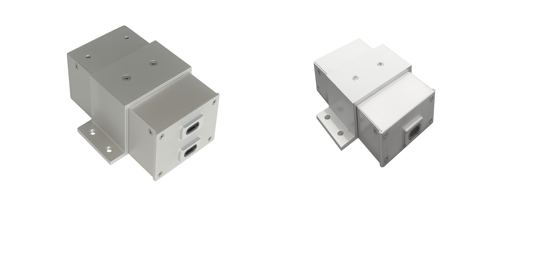
This is exactly where aerospace-grade USB-C power systems like the SkyDock Pro stand apart. Designed by Aerospace Devices Inc., the SkyDock Pro series offers reliable, rapid, and secure charging inside environments that standard USB-C hardware would quickly fail. With advanced electrical protection, ruggedized construction, and DO-160G certified durability, this system is redefining what it means to have mission-ready power.

For complete technical details, you may explore the SkyDock Pro feature page here!.

Built for the Harshest Operational Environments

Aircraft electronics must endure intense and unpredictable conditions. A typical charging port must perform even during:

  • Rapid temperature fluctuations
  • Continuous vibration during takeoff, landing, and turbulence
  • Low-pressure and decompression scenarios
  • Variable electrical bus loads
  • Cabin humidity changes
  • EMI and transient spikes

Aerospace Devices engineered the SkyDock Pro architecture so it performs reliably inside these harsh environment USB operational settings.

This commitment to rugged design reflects their decades of experience supporting commercial, defense, and special-mission aircraft. For a deeper look at their complete range of products and the certifications, click here!.

A Power System That Supports Aviation Electrical Patterns

Unlike consumer chargers that rely on stable indoor power, aircraft electrical systems generate fluctuating, high-demand energy cycles. The SkyDock Pro addresses this with a robust input architecture based on 12VDC 28VDC Power Ruggedized USB engineering.

This means:

  • It supports a 12–32 VDC input range
  • It handles electrical noise and switching events
  • It remains stable during voltage dips or spikes
  • It includes integrated overvoltage, undervoltage, and EMI protection

The charger is built to operate safely on fixed-wing aircraft, rotorcraft, and special-mission platforms, maintaining consistent performance even when aircraft systems experience load transitions or inrush currents.

For teams evaluating system integration or electrical compatibility, the complete technical breakdown is available on the SkyDock Pro feature page here! 

USB-C Power Delivery Built for Mission Demands

Today’s flight crews, mission operators, and passengers rely on a wide range of portable electronic devices—EFB tablets, laptops, smart avionics accessories, navigation equipment, and communication tools.
To support these devices through advanced USB-C PD (Power Delivery) technology, SkyDock Pro is designed.

Its high-efficiency USB-C PD architecture ensures:

  • Dynamic voltage negotiation (5V, 9V, 15V, 20V)
  • Safe temperature management
  • Lower electrical stress on devices
  • Fast charging when required
  • Consistent performance even under heavy load

This design supports a sustainable USB-C 100 Watts power capability, so you can charge up quickly and dependably, while remaining energy-efficient and safe for use on planes.

Environmentally Responsible and Efficient

Aerospace Devices emphasizes sustainability by integrating components and designs that reduce e-waste without compromising performance.

Key sustainability attributes include:

  • High-efficiency circuitry (92–93%)
  • Lower heat output
  • Long-life design to reduce replacement cycles
  • Support for modern devices, reducing waste from outdated adapters
  • Repair-friendly modular construction

This directly aligns with the company’s “GO GREEN” mindset. It means less stress on the aircraft’s electrical setup and less energy used over time. The SkyDock Pro shows that you can have top-notch aviation performance and environmental responsibility at the same time, all thanks to smart engineering.

Two Configurations Designed for Flexible Installation

The SkyDock Pro is available in two models, giving aviation teams the flexibility to install exactly what their operational environment requires.

1. SkyDock Pro Single Port – SKD-505-00

A compact, streamlined unit ideal for:

  • Flight decks
  • Technician workstations
  • Crew seating
  • Single-device operational points

Its form factor is optimized for areas where space is limited but high-power USB-C output is essential.

2. SkyDock Pro Dual Port – SKD-505-01

Designed for environments where multiple devices must remain powered simultaneously, such as:

  • Passenger cabins
  • Mission consoles
  • Communications stations
  • Training aircraft

It delivers dependable performance on both ports while maintaining the same rugged protection found in the single-port version.

Certified, Tested, and Built for Real-World Aircraft Requirements

Aerospace Devices manufactures the SkyDock Pro inside an AS9100-certified facility, ensuring strict process control, aerospace-grade quality assurance, and compliance with industry requirements.

The system is:

  • DO-160G tested
  • EMI and transient spike protected
  • Temperature tested
  • Humidity tested
  • Vibration tested
  • Shock tested
  • Altitude and decompression tested under DO-160G

DO-160G compliance means these USB-C charging ports can survive real aviation conditions—from rapid decompression to severe vibration to electrical disturbances.

Aircraft OEM approvals further highlight its credibility, with installations across major fleets.

For broader certification details and other product categories, users can visit the Aerospace Device Page.

Why Aviation Teams Choose SkyDock Pro

Across all versions, the SkyDock Pro family delivers:

  • Ruggedized components built for harsh environment USB conditions
  • Stable and aviation-safe input architecture using 12VDC 28VDC Power Ruggedized USB design
  • Efficient, sustainable USB-C 100 Watts output capability
  • DO-160G certification across multiple categories
  • Universal and roll-bar mounting options
  • USB-C PD compatibility for next-gen devices
  • Integrated protection layers (OVP, UVP, OCP, OTP)
  • In-seat and under-seat mounting availability
  • Modular sizing with low installed weight

No matter whether it’s supporting flight crew tablets, cabin entertainment devices, or mission equipment, the SkyDock Pro is designed to provide uninterrupted and safe power delivery.

Conclusion: Power That Keeps Missions Moving

In an industry where reliability is mandatory, not optional, the SkyDock Pro stands as one of the most robust aviation-grade USB-C systems available today. With DO-160G tested durability, sustainable charging efficiency, and flexible installation for both single-port and dual-port needs, it ensures dependable power delivery even when conditions are at their toughest.

When your aircraft or mission platform demands charging technology that performs without compromise, choosing a rugged USB-C solution becomes the difference between convenience and operational readiness.
The SkyDock Pro proves that power can be both tough and intelligently engineered.
How First Responders Keep Devices Running with Rugged Vehicle USB Chargers

Every second counts in the high-stakes world of aerial firefighting and emergency response. Whether it’s a rotorcraft swooping into a remote wildfire or a fixed-wing aircraft supporting ground teams from above, device uptime isn’t just convenient, it’s mission-critical. That’s why first responders are turning to rugged vehicle USB chargers built for aviation environments, and why Aerospace Devices, Inc. has stepped in with solutions designed for the job.

Why Reliable Power Matters for First Responders

When you’re flying the skies as part of an aerial firefighting team or coordinating a ground-air mission, your tablets, electronic flight bags (EFBs), smartphones, and other portable electronic devices (PEDs) become lifelines. These crews rely on real-time navigation charts, weather updates, live video feeds, crew communications, and mission plans. A drained battery could delay a drop zone decision, interrupt a communication link, or force a return to base. That’s unacceptable.

By installing rugged USB charging ports in vehicles—whether in the cockpit of a fixed-wing aircraft, aboard a rotorcraft, or in a mobile command vehicle-  first responders ensure that all devices stay powered. This isn’t just about convenience; it’s about maintaining situational awareness, rapid decision-making, and mission success.

The Unique Challenges of Aerial Firefighters & Emergency Vehicles

Aerial firefighting crews, rotorcraft medevac teams, and other first responders face conditions unlike a standard mobile office:

  • Vibration and shock: Helicopters and firefighting aircraft often fly through turbulence, high-G turns, or operate in rugged terrain. Any charging equipment must endure constant vibration and shock without failure.
  • Wide input voltage range: Vehicles may generate 12V, 24V, or higher systems; fixed-wing aircraft may have complex power architectures. Charging ports must accept a broad input range.
  • Environmental extremes: Smoke, heat, high altitude, cold starts, dust, and rapid temperature swings are all part of the job. Charging equipment must be rated for aviation-grade environmental stress.
  • Multiple devices simultaneously: The PED load is increasing—EFBs, tablets, smartphones, flight-deck headsets, live-feed cameras—all needing reliable USB-A or USB-C power.
  • Integration in harsh vehicles: Whether mounted in a rotorcraft cabin, cockpit console, or mobile command vehicle, the installation must be compact, low-downtime, and robust.

Because of these increased demands, first responders don’t want consumer-grade USB chargers; they need purpose-built aviation or rugged vehicle USB chargers.

How Aerospace Devices Delivers the Solution

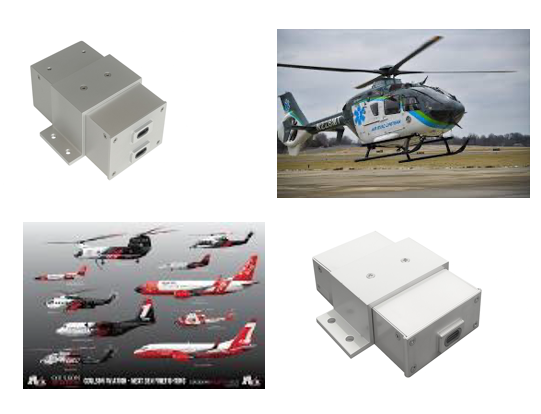
Aerospace Devices offers a charger built for these demands. Their SkyDock FJ SKD-101 Single Edition is DO-160G certified for fixed wing, flight deck & rotor-craft installation.
 Here are the key features that make it first-responder ready:

  • Broad input range: 13V–30V / up to 5 Amp max; accepts up to 32V DC input.
  • High efficiency & low standby-draw: Max efficiency ≈ 85 % and standby current just 0.1 A at 28 V.
  • Robust protection: Self-resetting surge protection; over-voltage protection; static protection to 600 V; reverse power and short-circuit protection.
  • Rugged packaging: Encapsulated waterproof circuit board, small form-factor (only 1.94 in × 1.48 in × 0.64 in), and ultra-lightweight (1.5 oz) unit designed for flight environments.
  • Universal compatibility & data option: Supports USB-A charging at 4.75-5.25 V output and even offers a USB 2.0 data connection option—ideal for devices that need both power and data.

In short, this charger is engineered for aviation use, but its rugged vehicle credentials make it particularly well-suited for first responder vehicles, mobile command posts, rotorcraft medevac aircraft, and fixed wing support planes engaged in firefighting or rescue missions.

Vehicle USB Charging for Rotorcraft & Fixed Wing First Responder Missions

For aerial firefighting teams, whether aboard helicopters or fixed-wing platforms, here’s how rugged vehicle USB chargers make a difference:

  • Rotorcraft: In the Hawker or Sikorsky rotorcraft flying fire suppression missions, pilots and crew rely on tablets displaying live fire-mapping, crew communication devices, and night-vision headsets. The SKD-101, a compact charger, ensures that all these stay powered, even when they are under heavy vibration and shocks.
  • Fixed Wing Aircraft: Fixed-wing platforms supporting aerial suppression or transport missions may carry multiple tablets, cameras, telemetry systems, and crew devices. Charging ports that accept 13-30 V input and deliver clean, reliable output let the crew focus on the mission, not battery alerts.
  • Ground Vehicles & Mobile Command Posts: Many first responder fleets operate vehicles that coordinate with air assets. A rugged USB-charging port mounted in a vehicle console means tablets, phones, and radios stay powered throughout long shifts, often in rough terrain, smoke, or weather.
  • Simultaneous Device Charging: The days when only one tablet needed a charge are gone. Now crews load up multiple PEDs, crew-phones, headsets, and live-feed cameras. Universal charger ports simplify wiring, reduce clutter, and let the team stay mission-focused.

Installation, Integration & Efficiency Gains

Installing rugged vehicle USB chargers from Aerospace Devices brings several practical benefits for first responder organisations:

  • Low downtime retrofit: Being compact and designed for aviation environments means installer time is minimised. That is crucial when aircraft or vehicles can’t stay on the ground for too long.
  • Clutter reduction: A single certified unit makes wiring easier and lowers the risk of loose connections and failure points, as opposed to having multiple consumer chargers and adapters.
  • Operational efficiency: When crew devices stay powered, workflows stay smooth. Real-time maps, navigation charts, live feeds, and team communications remain uninterrupted. That improves coordination, reduces errors, and enhances safety.
  • Safety assurance: Since Aerospace Devices uses a disciplined development process (PSD) aligning customer, engineering, and certification, you’re not installing a consumer gadget—you’re installing an aviation-rated piece of equipment trusted by aerospace OEMs. 
  • Future-proofing: As first responder aviation leans more digital, tablets replace paper charts, live telemetrics become standard—the need for robust PED power increases. Choosing a certified USB charger means you’re ready for the next generation of mission equipment.

Where Rugged USB Power Meets Real-World First Responder Demands

  • Aerial Firefighters Aviation USB Chargers: For crews fighting wildfires from the air, a device like the SKD-101 delivers USB charging reliability in aviation environments.
  • Rotorcraft USB: Rotorcraft missions demand high-shock, high-vibration-tolerant chargers. This unit fits that need.
  • Fixed Wing Aircraft USB: Whether cargo, suppression, or medevac fixed-wing platforms, fixed-wing aircraft benefit from USB chargers that accept aircraft voltage systems and deliver consistent USB output.
  • First Responders Vehicle USB Chargers: Ground-based incident command vehicles, mobile fire-suppression units, or rescue support vehicles can use rugged vehicle USB chargers to keep all PEDs powered throughout long shifts.

Power Your Mission. Protect Your Crew. Choose Aerospace Device

In the high-pressure world of first responder aviation, you can’t afford a charging port that fails. Every device matters. Every mission matters. Choosing a rugged, aviation-certified USB charger from Aerospace Devices guarantees your crew’s devices are always mission-ready whenever and wherever the call comes.

If you’re responsible for outfitting aerial firefighting units, rotorcraft medevac platforms, fixed-wing support aircraft, or mobile incident command vehicles, making the right choice now pays dividends in reliability, safety, and response effectiveness.

Ready to make the upgrade? Visit Aerospace Devices today, explore their SkyDock series, and choose the USB charging solution that powers your mission. Stay ready. Stay focused. Stay charged.

Future-Ready Flight Deck: USB Charging Ports That Power Every Mission

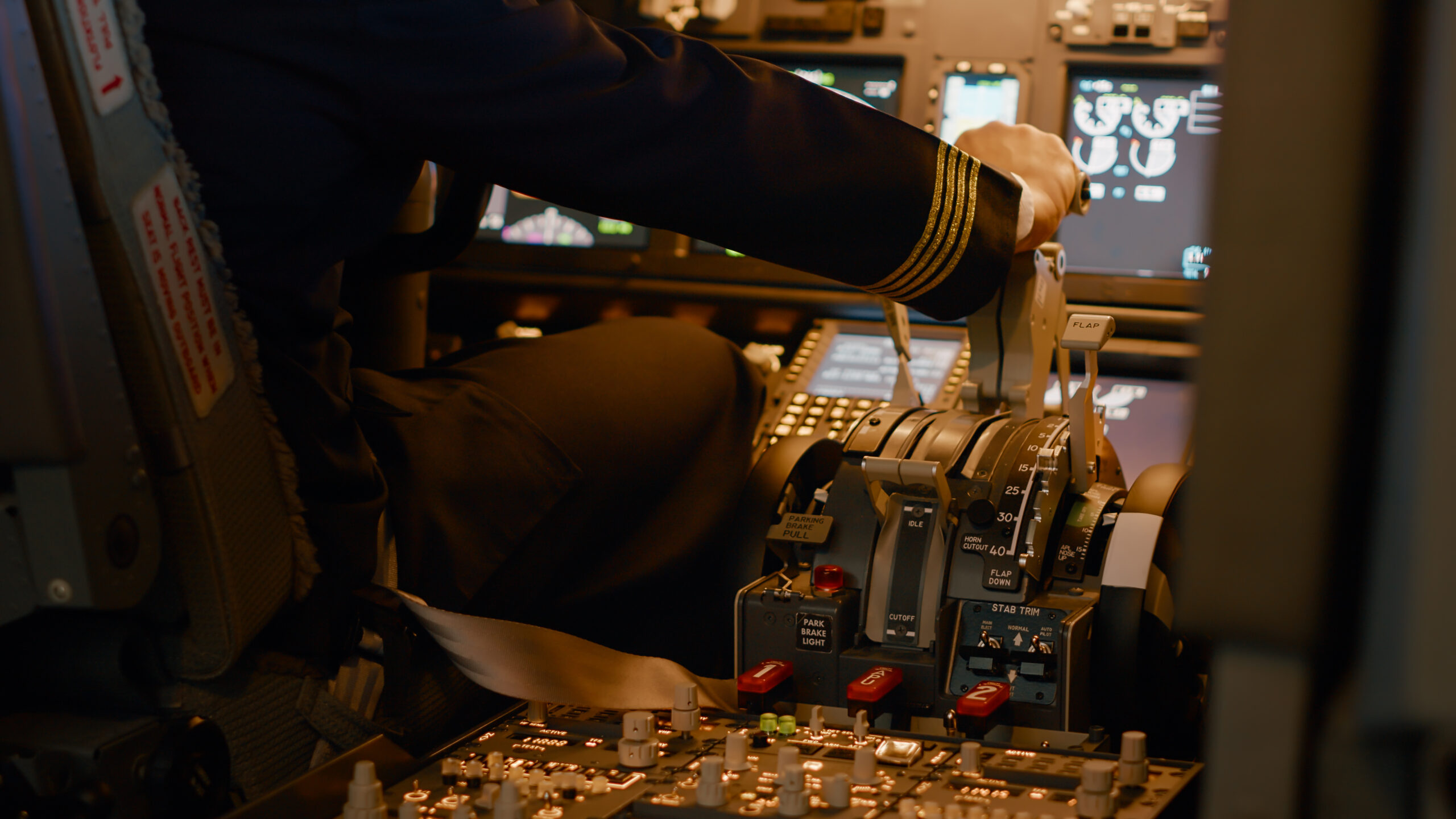
Today, we live in the aviation world, and a modern flight deck is not about just instruments and gauges.  Pilots and crew need to check real-time updates and navigation charts. They have to access flight plans as well; it simply means they rely on electronic devices like personal tablets and EFBs. For smooth operations, all these devices need to be continually powered. To overcome this, Aerospace Device Inc offers advanced Avionics USB charging ports, which promise that every device stays mission-ready. Check out some more information on Aerospace Device.

Why Reliable Power Matters

Technology is the heart of the modern era; pilots believe the same. A consistent power supply is necessary because devices without power can slow down the entire process, from decision-making to efficiency, and can even impact safety. So a reliable source of power in the cockpit is a major concern, as PED charging ports and integrated avionics systems require consistent power. The solution is to install Avionics USB ports so flight crews can have trust that their tablets, smartphones, and other electronic devices will remain charged throughout the journey.

Features of Aerospace Device Inc USB Charging Ports

  1. Multi-Device Compactibility

The Aerospace Device USB supports universal compatibility. In simple words, a single charging port can be used for multiple devices simultaneously. The crew can charge EFBs, smartphones, and other PDEs using a single charging port.

  • Robust and Mission-Ready

Flight decks face so many challenges, including vibration, temperature changes, and high-demand issues. To overcome this, Aerospace Device designed Avionics USB ports, which provide reliable performance in such conditions.

  • Intelligent Power Management

To charge devices quickly and safely, smart charging technology is required. It is necessary to keep all the devices in top condition in every mission; issues like overcurrent and overheating should be smartly handled, and sensitive electronics need protection safeguards too.

  • Easy to install

To avoid extra installation, these PED charging ports are designed while keeping in mind existing avionics systems. They are seamless and easy to install, so they require minimal downtime to upgrade cockpits.

Supporting EFB and Flight Efficiency

In today’s fast-paced aviation world, a major revolution has been seen in electronic flight bags, as they reduce paper use to improve navigation and planning. For smooth operations and efficient work, they totally depend on constant power. Aerospace Device Inc designed Avionics USB ports, which help pilots to keep EFBs and other critical devices charged throughout long missions. It also ensures no interruptions in mission operations.

When pilots and crew don’t need to worry about device downtime, they can stay focused on their mission. In a modern flight deck, it is always important to install a reliable charging port. When tablets, EFBs, and other PEDs are working smoothly, with a constant power supply available, real-time navigation charts, weather updates, and flight plans can be managed effortlessly.

It is advisable to upgrade your flight deck with an uninterrupted power supply and ensure that the cockpit workflow becomes smooth and organized. It helps crew members to coordinate more effectively, clutter will be reduced, and operational efficiency will be enhanced during every mission. Aerospace Device has designed  Avionics USB charging ports to ensure constant support of technology to the pilots and crew at every step.

The Future of Flight Deck Charging

The requirement of a pilot is a constant power supply that can keep up, because they rely on advanced aviation technology. For their mission, they have to manage cloud-based navigation tools and real-time analysis, so a charging port is one of the mandatory components of the flight deck. Aerospace Device provides modern solutions to upgrade aircraft and make them ready for current and future technological challenges.

In the modern world, aviation technology will continue to upgrade, flight decks will be more digital, and pilots/crew will be more dependent on EFBs, tablets, and other personal electronic devices. In the digital world, uninterrupted access to devices is crucial for pilots. They need accurate navigation and effective communication, as well as effortless mission execution.

The flight deck requires advanced charging solutions so the crew can manage operations more smoothly and can focus on safety and decision-making.

A future-ready charging system is the crucial requirement in a modern flight deck. The main concern is to integrate smart and robust charging ports without requiring major upgrades. To make each flight smoother, safer, and fully mission-ready, the Aerospace Device ensures that pilots and crew will have the technology they need.

Advantages of Aerospace Devices

For seamless integration of technology, which is responsible for providing crucial support for pilots and crew at every step, modern flight decks need well-designed, reliable instruments. Avionics USB and PED charging ports are mandatory, as they ensure smooth operations and make flight decks mission-ready. Aircraft should be equipped with robust charging solutions and uninterrupted power for tablets, EFBs, and other crucial devices so flight crews can rely on uninterrupted power. It enhances safety, workflow, and communication in the cockpit and hence reduces stress in high-pressure situations.

Here are some advantages of choosing Aerospace Device Inc for your modern flight deck:

Expertise: Avionics are designed after investing years of experience in aviation-grade components.

Durability: USB charging ports and other products are designed to face the real-world challenges and flight conditions.

Design: Pilot-friendly designs make it stand out, as it is simple to use and provides clutter-free solutions.

Future: Focus is completely on emerging technologies and emerging cockpit needs.

When you choose Aerospace Device, you are investing in solutions that make your flight deck future-ready. As they promise to deliver products that combine expertise, durability, and smart design, they will fulfill the needs of modern aviation. Pilots can operate multiple devices smoothly, as advanced Avionics USB charging ports are highly reliable. Their user-friendly design and innovation are totally focused on matching the expectations for emerging technologies, supporting efficiency with much-needed safety, which ensures mission success for years to come.

Conclusion

When you choose Aerospace Device Avionics USB and PED charging ports, you are ensuring pilots and crew focus on the mission and have no need to stress about battery. Power supply in your flight deck is one of the crucial things to look after and cannot be ignored. Upgrade your flight deck today; make sure every device stays mission-ready.  Visit Aerospace Device to explore the full range of charging ports and make your cockpit future-ready.​

By choosing Avionics USB and PED charging ports from Aerospace Device, you are choosing uninterrupted access to EFBs, tablets, and other essential devices, which allow the flight crew to focus on their mission. It will help to improve operational efficiency and reduce cockpit clutter, as well as enhance situational awareness. With modern aviation technologies, your flight deck is future-ready for charging solutions; pilots and crews can be fully focused on the mission as they are confident that the device will be fully powered and always ready for action.

So what are you waiting for? Choose Aerospace Device Inc USB charging ports and upgrade your flight deck today!

From 12VDC to 32VDC: The Power Supply Revolution Behind Starlink Charging

In today’s modern world, where staying connected is non-negotiable, it’s extremely essential. High-speed connectivity is something to look after even in remote locations, and Starlink has transformed satellite internet.

​But the real challenge is powering your devices while using Starlink. When it comes to aircraft and mobile setups, powering devices is extremely challenging. You can’t completely rely on ordinary chargers, as they often fall short. To overcome this, there are UCB C 60-watt to 100-watt charging ports and UCB C 12 VDC to 32 VDC input-powered Starlink Power Supplies available, which have changed the game completely.

​​Today, most professionals require a stable connection, especially while travelling. They are completely dependent on Starlink in remote regions, and consistent power is the basic requirement for effortless communication. Professionals can be from any field, like flying for work or running field operations, or let’s say camping off-grid. There are different challenges, like uneven power because of natural calamities or limited power supply available, which cannot be handled by regular or ordinary charges. To overcome this, Starlink has designed high-voltage charging solutions; they are specifically designed to deliver consistent power, which ensures constant connectivity in challenging circumstances.

You can visit Aerospace Devices Inc for reliable aerospace-grade charging solutions, as this is a reliable source for high-quality devices built to help you connect anywhere.

The Real Challenge Behind Starlink: Consistent Power

One of the greatest challenges for Starlink terminals is that they require a constant power supply. Regular USB chargers cannot perform well due to low-voltage adapters, as they struggle a lot and lead to slow charging, inefficiency, or even interruptions in connectivity. This is really challenging and stressful for Electronic Carry-On Devices Aircraft USB Charging, because where voltage fluctuations are concerned, along with limited onboard power, it can be a reason for lower device performance.

​To overcome this challenge, specialized chargers that are capable of handling 12-VDC to 32-VDC input are required, which ensures that both Starlink terminals and other devices can work efficiently and safely. These solutions are designed specifically for challenging environments like aircraft, mobile offices, RVs, and boats.

​In the real world, Starlink is facing more issues when it comes to an inconsistent power supply. When it comes to aircraft, where power inconsistency is a major concern due to various technical reasons, the same challenges are faced by RCs, boats, and off-grid cabinets. Power inconsistency is always something to be considered, as when this happens, Starlink either slows down or gives inconsistent speed, slows down, or restarts. To overcome this, a high-voltage aerospace-grade power supply is the only solution. High-voltage charges will help to provide stable voltage and consistent power, which makes Starlink connections effortless as well as reliable.

Starlink USB-C 60-Watt to 100-Watt Charging Ports

Ordinary charges are incompatible with Starlink’s requirement. It requires more consistent and stable power than regular chargers can support. So USB-C 60-watt to 100-watt charging ports are in demand. It is necessary that Starlink terminals can boot up quickly and work without interruptions, so high-wattage ports are used here because they are specifically designed to deliver fast as well as consistent power. As voltages are comparatively higher, it will support devices like power banks, tablets, and laptops for quick charging too.

​No matter if you are in an aircraft, a boat, or an RV, and yes, even on a moving workstation, USB-C power delivery will always be useful. It automatically adjusts the outputs to the needs of each and every device. This makes them more convenient to use, as they are compatible with most setups. You need not worry more about low voltage and inconsistent power sources because these chargers will make sure your Starlink system will have a consistent power supply. When you are a hardcore internet user while travelling, you simply need to upgrade to 60-watt to 100-watt USB-C charging ports, as it’s no longer a luxury; it’s an essential.

Key Benefits of High-Voltage Starlink Power Supplies

For travelers to professionals who are dependent on uninterrupted Starlink connectivity, these features are a must-have: a USB-C 12-VDC to 32-VDC input-powered Starlink Power Supply.

Voltage fluctuation is the main challenge faced in aircraft, RVs, off-grid systems, and boats, and they need a strong power setup that can manage voltage fluctuations effortlessly. Their requirement is a consistent and high-voltage power supply, which promises that the Starlink terminal will not slow down or reboot even when the power supply is inconsistent. This is one of the most challenging real-world issues, especially in this field.

Best Support For Carry-On Electronic Devices

In today’s digital world, everyone is completely dependent on electronic portable devices like laptops, smartphones, and tablets. To charge multiple devices simultaneously with reliability that each one receives the required power, all you need is to integrate high-voltage Starlink charging ports into your setup.

​The main challenge is to make ports reliable enough to match up to standards that can manage different power needs, which requires consistent power without having issues like slowdown or overheating. The port should be giving consistent results in scenarios like the user having a long flight, travelling in an RV, or working from a remote location. They must give surety about the device getting a consistent and uninterrupted power supply. Users should be comfortable enough, as they do not need to carry multiple chargers or need not worry about battery-related issues while doing their important work. The device includes a clean, fast, and effortless setup, which provides a charging system for multiple users at the same time.

​For such trusted solutions and to explore product designs for aviation and mobile applications, visit Aerospace Devices Inc.

Why Aerospace-Grade Charging Matters

Aerospace-grade charging is entirely different than regular setups. It is crucial to prioritize power reliability. Private jets, helicopters, and aircraft work in highly unpredictable environments, as a consistent power supply is a crucial part of every system. Aerospace chargers stand out here, as ordinary chargers cannot work in situations like voltage fluctuation or when vibration or temperature is inconsistent during long flights.

​By keeping such requirements and complexities in mind, aerospace-grade Starlink power supplies are specifically designed. It ensures that it will deliver a stable and consistent power source. Circumstances can be very critical, such as altitude changes or equipment load, which can be managed precisely. Aerospace-grade Starlink power supplies will make sure that the system doesn’t reboot or lose signal and has no lags, mainly when a consistent power supply is what you need the most. Users should experience strong Wi-Fi, convenient browsing, and effortless communication even if they are at 35,000 feet above, and this can only be done by aviation-ready chargers to meet such expectations.

Upgrade Your Starlink Charging Experience

Maximize your Starlink experience with high-voltage solutions. The right power supply will ensure your devices are always ready to work with you, no matter where you are. Starlink USB-C 60-watt to 100-watt charging ports are ready for your electronic carry-on devices with aircraft USB charging.

​So, now no more stress about power limitations disrupting your connectivity. Visit Aerospace Devices Inc and explore an entire range of aerospace-grade charging solutions. Experience the uninterrupted future of Starlink charging today!